
What Happens to Your Water and Heating Pipes During a Cold Snap – And How to Avoid Costly Damage
The Hidden Impact of Cold Weather on Your Home
Cold snaps are a regular feature of UK winters, but many homeowners underestimate how damaging freezing temperatures can be to their plumbing and heating systems. Pipes are often hidden behind walls, under floors, or in roof spaces, which means problems can develop silently until serious damage has already occurred.
When temperatures drop suddenly, water and heating systems are placed under extreme pressure. Without the right preventative steps, this can result in frozen pipes, burst pipework, boiler shutdowns, water damage and expensive emergency repairs.
At Gulvin’s Heating and Plumbing Services, we help homeowners prepare for cold weather and respond quickly when things go wrong. Understanding why these issues happen is the first step to preventing them.
What Happens to Water Pipes During Freezing Temperatures
Water Expands When It Freezes
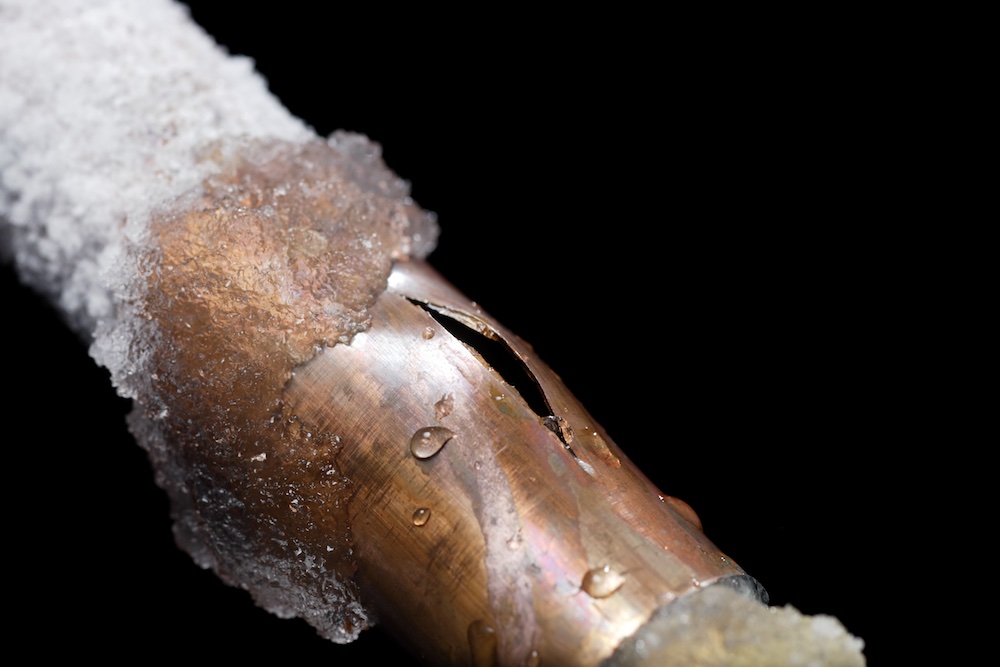
Unlike most substances, water expands when it freezes. As temperatures fall below 0°C, water inside your pipes begins to turn into ice. This expansion increases the volume of the water inside the pipe, forcing pressure outward against the pipe walls.
Metal and plastic pipes are not designed to cope with this type of internal pressure. Over time,or sometimes very quickly, the pipe material weakens, cracks, or splits.
Pressure Builds Behind Ice Blockages
When a pipe freezes, the ice often forms in one specific section rather than along the entire pipe. Water becomes trapped between the ice blockage and a closed tap or valve. As the trapped water expands, pressure builds rapidly.
This pressure has nowhere to escape, which is why pipes tend to fail at their weakest point, often away from the frozen section itself.
Pipes Usually Burst When the Ice Thaws
A common misunderstanding is that pipes burst while frozen. In reality, the pipe often cracks while frozen but does not leak until the ice melts.
When temperatures rise:
-
Ice thaws
-
Water flow resumes
-
Water escapes through cracked or split pipework
This is why many homeowners discover burst pipes in the morning or after returning home, rather than during the coldest part of the night.
High-Risk Pipe Locations Explained
Certain areas of your home are far more vulnerable during cold snaps:
-
Lofts and roof spaces: Poor insulation and cold air exposure make loft pipework highly susceptible.
-
Garages and outbuildings: Often unheated, allowing temperatures to fall below freezing.
-
Under-sink cupboards: Pipes on external walls are exposed to cold drafts.
-
External walls: Cold penetrates masonry, lowering pipe temperatures.
-
Unheated extensions: Rooms not used regularly may have heating turned off.
-
Outside taps: Fully exposed to freezing air and commonly burst in winter.
How Cold Snaps Affect Your Heating System
Boilers Work Harder for Longer
During cold weather, boilers must operate for extended periods to maintain indoor comfort. This increased workload places additional strain on internal components such as pumps, valves, heat exchangers and sensors.
If your boiler is already showing signs of wear or inefficiency, cold snaps can push it beyond its limits, resulting in breakdowns when you need heating the most.
Heating Systems Lose Efficiency
Cold air reduces heat retention throughout your home. Radiators must work harder to heat colder rooms, which can lead to uneven heating and longer warm-up times.
Poor insulation, unbalanced radiators or air trapped in the system further reduce efficiency, increasing energy bills and placing additional strain on the boiler.
Frozen Condensate Pipes Cause Boiler Shutdowns
Modern condensing boilers produce waste water (condensate) that exits the property via a small pipe — often routed externally.
In freezing temperatures:
-
Condensate freezes inside the pipe
-
Water backs up into the boiler
-
The boiler shuts down as a safety measure
This is one of the most common winter boiler faults across the UK and often requires professional intervention.
How to Protect Your Pipes During a Cold Snap
Insulate Exposed Pipes Thoroughly
Pipe insulation acts as a thermal barrier, slowing heat loss and preventing freezing.
Insulating pipework in lofts, garages, cupboards and external walls significantly reduces risk. Foam insulation sleeves are inexpensive, easy to install and highly effective — making them one of the best preventative measures available.
Maintain a Minimum Indoor Temperature
Allowing your home to become extremely cold increases freezing risk. Maintaining a minimum temperature of 12–15°C keeps pipework warm enough to prevent ice formation.
If you’re away:
-
Use a frost protection setting
-
Schedule heating to activate periodically
-
Avoid turning heating off completely
This prevents sudden temperature drops that cause pipe stress.
Encourage Warm Air Circulation
Cold air can become trapped in closed-off spaces containing pipes.
Leaving:
-
Internal doors open
-
Cupboard doors under sinks open
allows warm air to circulate freely, helping maintain pipe temperatures and reducing overnight freezing risk.
Let Taps Drip in Severe Cold
Allowing taps to drip slightly keeps water moving through the pipes.
This:
-
Reduces pressure build-up
-
Prevents complete freezing
-
Minimises expansion damage
This technique is particularly effective for pipes on external walls or in poorly insulated areas.
Know How to Shut Off Your Water Supply
In the event of a burst pipe, fast action can significantly limit damage.
Knowing the exact location of your stop tap allows you to:
-
Shut off water immediately
-
Reduce flooding
-
Minimise property damage
Every household member should know where it is and how to operate it.
What to Do If Your Pipes Freeze
Recognising the Warning Signs
Frozen pipes often show early symptoms:
-
No water flow from taps
-
Weak water pressure
-
Frost or condensation on pipe surfaces
-
Unusual sounds when taps are turned on
Recognising these signs early can prevent further damage.
Safely Thawing Frozen Pipes
If you believe a pipe is frozen:
-
Turn off the water supply
-
Open the affected tap
-
Apply gentle heat using warm towels or hot water bottles
Avoid rapid heating or open flames, which can weaken pipes or create fire hazards.
When Professional Help Is Essential
Call Gulvin’s Heating and Plumbing Services immediately if:
-
You can’t locate the frozen pipe
-
The pipe has split or burst
-
Water damage is visible
-
Your boiler has shut down due to freezing
Delaying professional help can result in far more extensive and costly repairs.
Keeping Your Boiler and Heating System Winter-Ready
Annual Boiler Servicing Prevents Failures
A professional boiler service checks safety, efficiency and reliability. It allows engineers to identify small issues before they become major faults during cold weather.
Servicing also ensures compliance with manufacturer warranties and improves long-term performance.
Bleeding Radiators Improves Heat Distribution
Air trapped in radiators prevents them from heating fully. Bleeding radiators removes trapped air, allowing hot water to circulate properly.
This improves warmth, reduces strain on your boiler and helps keep energy costs under control during winter.
Check Thermostats and Heating Controls
Faulty thermostats cause inconsistent heating and wasted energy. Ensure your controls are accurate, properly programmed and suited to winter usage.
Smart thermostats can help maintain stable temperatures while preventing unnecessary heating.
Why Professional Support Matters in Winter
Cold weather plumbing problems escalate rapidly if not handled correctly.
Gulvin’s Heating and Plumbing Services offer:
-
Emergency burst pipe repairs
-
Frozen pipe diagnosis and thawing
-
Boiler servicing and repairs
-
Pipe insulation upgrades
-
Central heating system optimisation
Our experienced engineers understand the demands UK winters place on plumbing systems and act quickly to protect your home.
Preparation Is the Best Protection
Cold snaps don’t need to result in disruption or damage. With the right preventative measures and expert support, your water and heating systems can remain reliable throughout winter.
If you’re unsure whether your pipes or boiler are winter-ready, Contact us today for professional advice, maintenance or emergency assistance — and stay warm, safe and protected all season long.and make sure your heating system is ready to keep you warm this autumn and winter.
Recent Comments